

Bluebells Unfurl
25-29 April: 2nd Microseason of Kokuu (Grain Rains)

Hello, and thanks for reading my newsletter, on art and the seasons.


A few weeks since first spotting the first bluebell, I’ve dedicated a microseason to these little flowers, which unfurling everywhere!
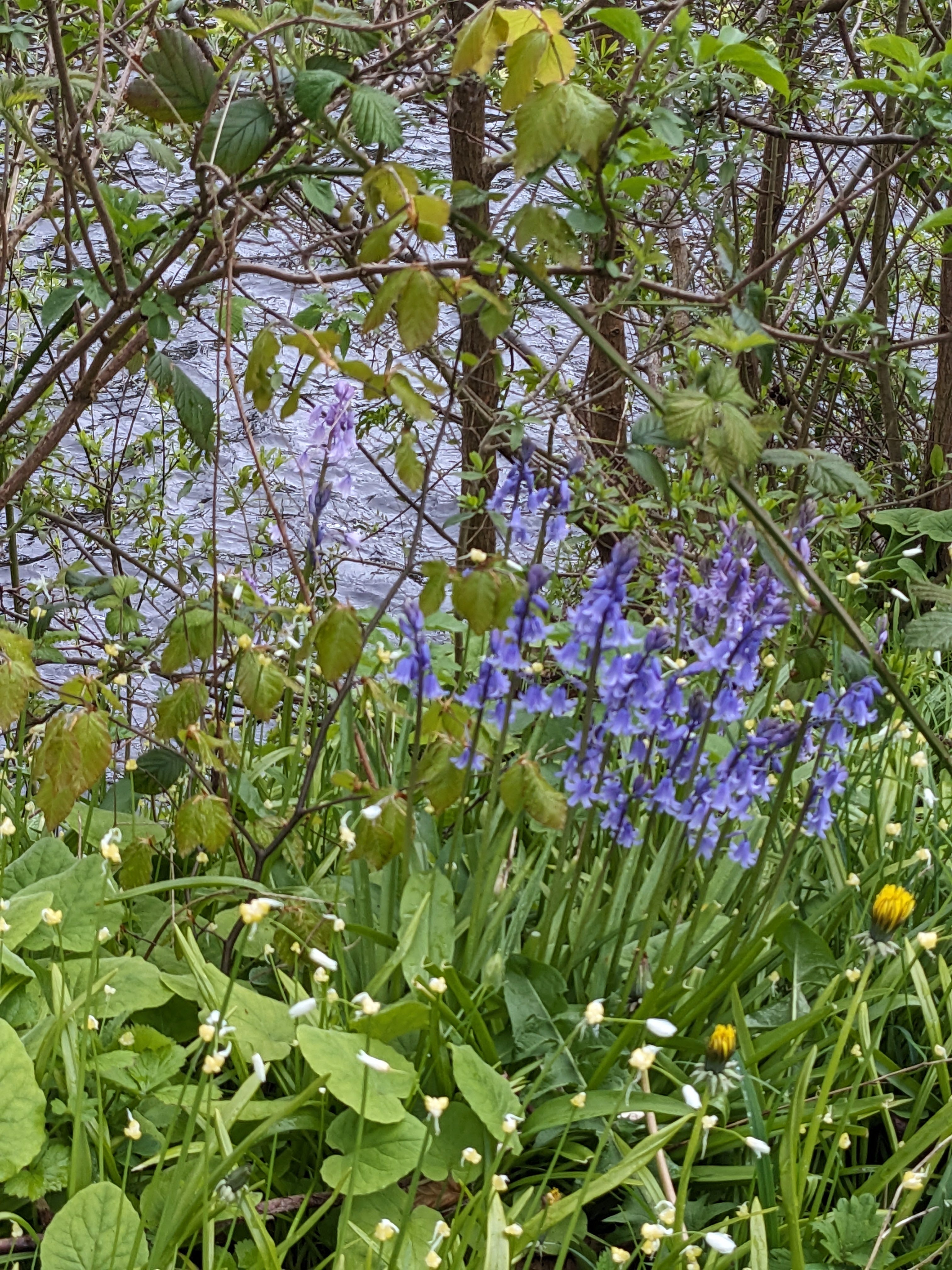
The English Bluebell - sometimes called the Wild Hyacinth in Scotland - goes by all sorts of other strange and whimsical names: the harebell, cuckoo’s boots, granfer griggles, witches’ thimbles, lady’s nightcap, fairy flower, cra’tae (crow’s toes), and giggle sticks.
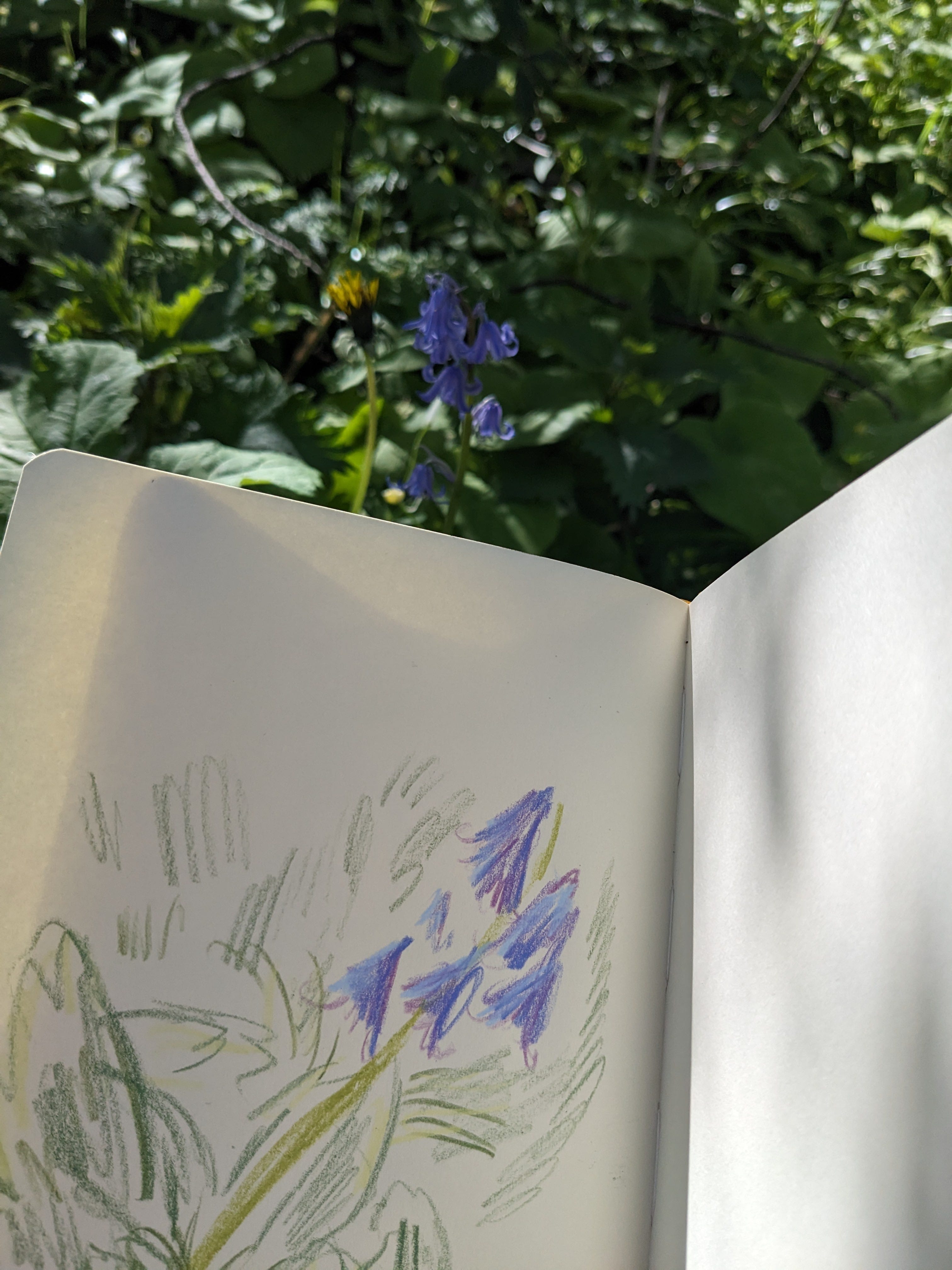
We get some bluebells in our garden - primarily behind our bins, which always feels like a very sad place to sprout. But, that is also what I like about the humble bluebell - that something so delicate and beautiful emerges in the most unlikely of places.
“I do not think that I have ever seen anything more beautiful than the bluebell I have been looking at. I know the beauty of the Lord by it. Its inscape is mixed of strength and grace, like an ash tree.” - Gerard Manley Hopkins
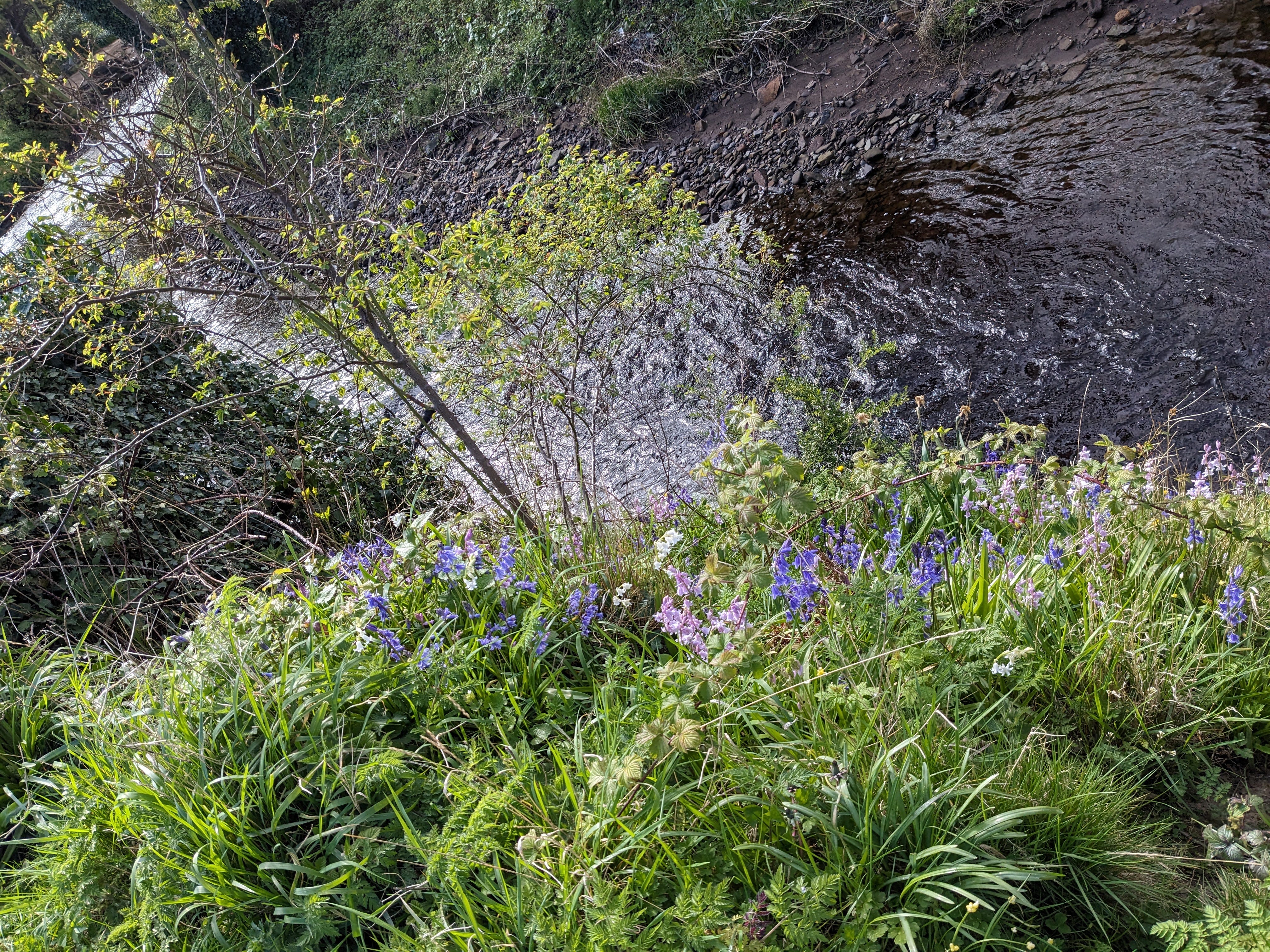
Bluebells - naturally occurring ones - are often good indicators of ancient woodlands. Like many other spring ephemerals, the bluebell is poisonous - but was used as a sort of dual-purpose glue in bookbinding and pest prevention during the Medieval Period.
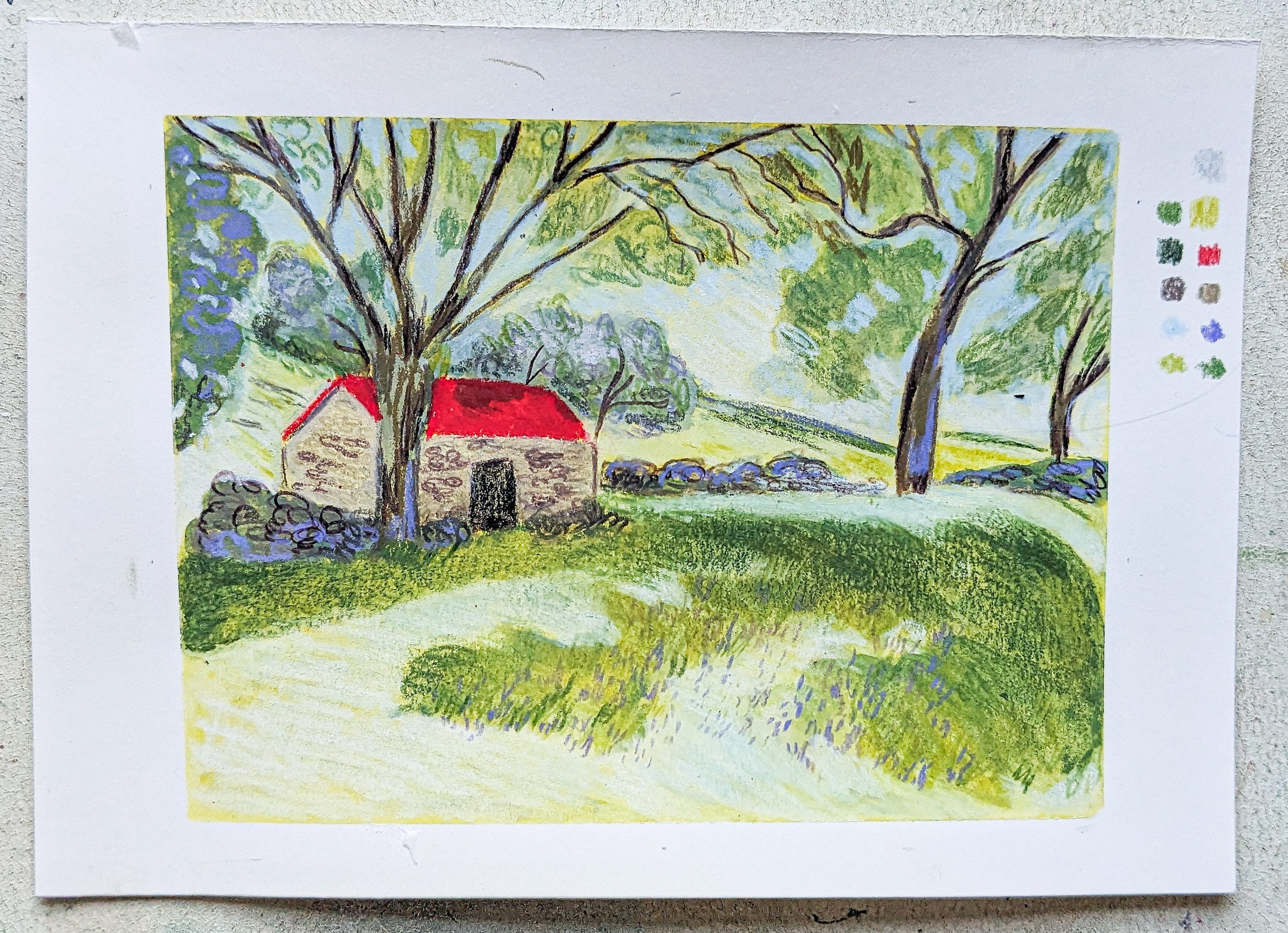
Sketchbook Notes:
Today’s art isn’t from a sketchbook! I'm trying out a pad of Daler Rowney Smooth - Heavyweight paper, which has a similar texture and gsm to the Pith sketchbook. Also something a bit different - I drew the same scene twice.
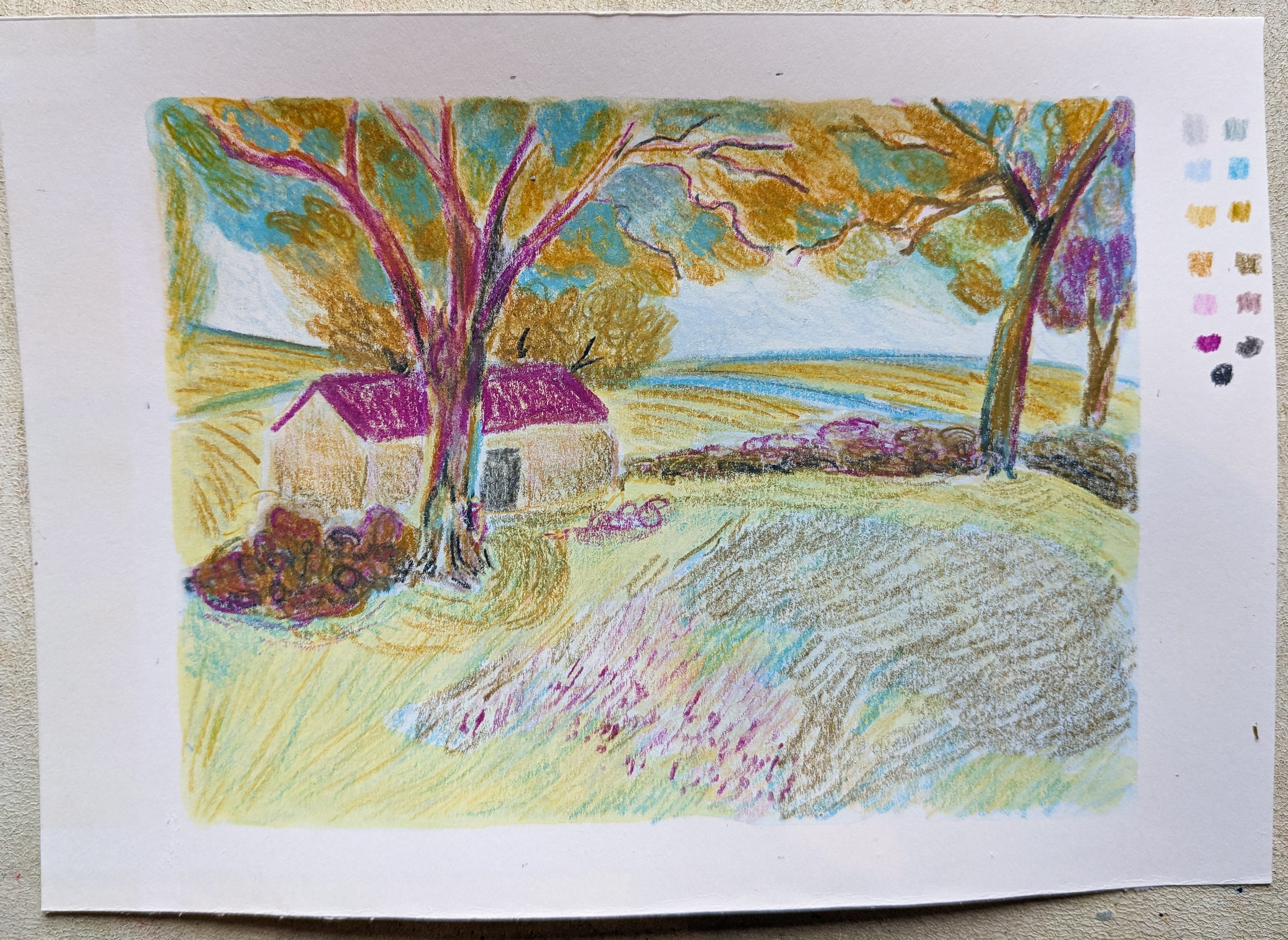
I first tried out an underpainting in Amur Yellow (Holbein Gouache), covered with pencils and neocolours, experimenting with Zest-it blending medium. Then I decided I’d try and be a bit more adventurous with colour, choosing a palette from Wada Sanzo’s Dictionary of Colour Combinations. I used Holbein’s Myosotis Blue as the underpainting of version 2.


Which do you like best?
Interested in learning more about Bluebells? Check out this lovely blog post on them.