

Onto the Solstice
7 - 21 December

Hello, and thanks for reading my (albeit sporadic) newsletter on art and life, according to the seasons. This is my second seasonal update this winter, though I had trouble getting the previous one sent to your inboxes. If you missed it, catch up here.
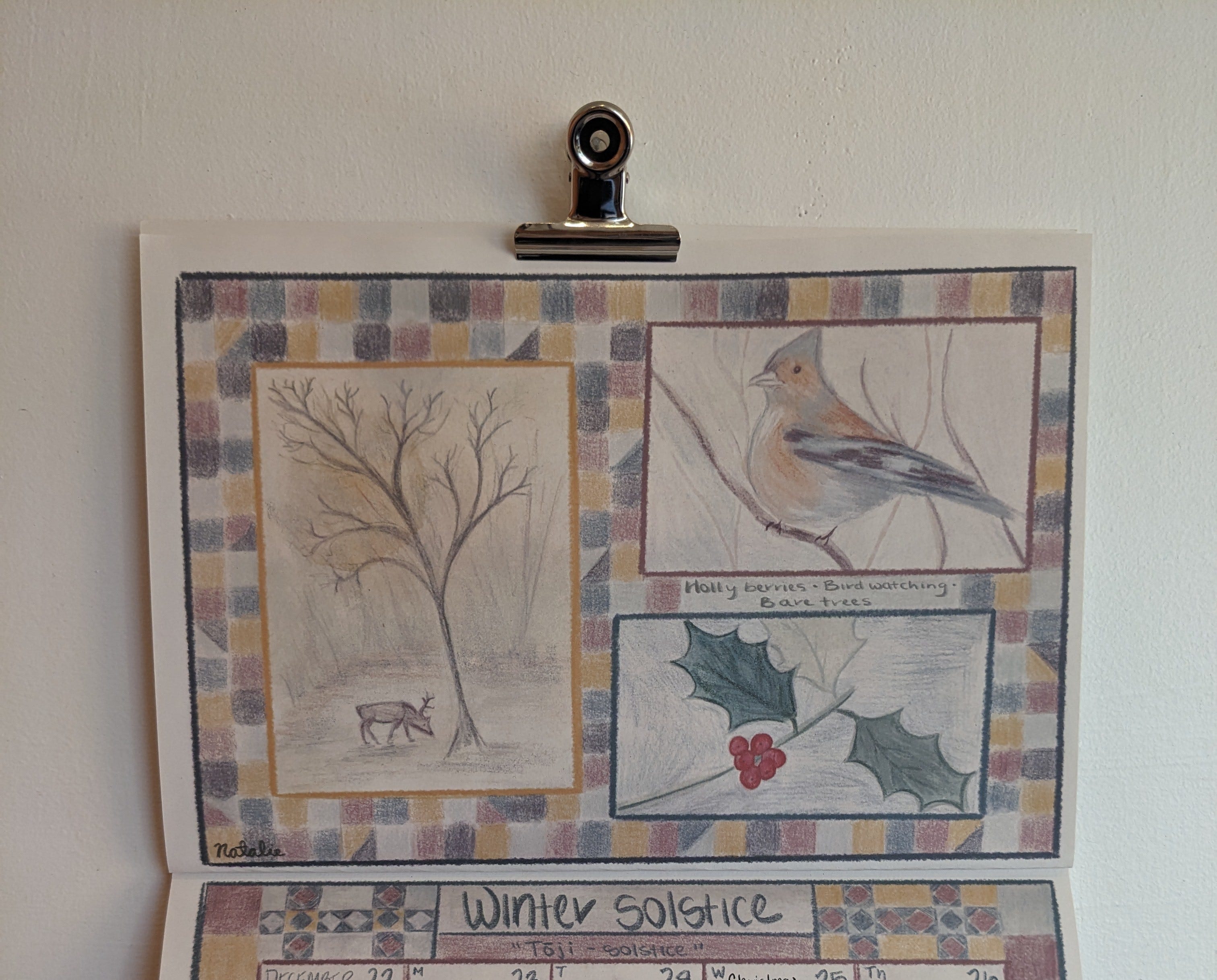
Here we are at the winter solstice - one of the cardinal points of the natural year.
There are four of these, marking out our primary seasons: winter, spring, summer and autumn.
Over the past couple of years, I’ve been trying to be a bit more intentional about observing and celebrating the seasons through the small changes nature makes. I find it rewarding to take small steps through the year, noticing the little moments, by using the Japanese system of microseasons.
Many consider the solstice and equinox as the start of a new season. So, winter begins today. This is a distinction based on light - the tilt of our planet makes today either the longest or shortest day, depending on where on the planet you happen to be.
However, I find it helpful to consider these days as the height of the season, instead of the beginning. By this reckoning, we’ve been in winter for a bit over a month’s time - a period marked by the first frost of the season, first snowfall (at higher elevations), the emptying of branches, and the movement of our migratory birds.
Last year, I found this time to be one of rather beautiful sunrises and sunsets, peaking through the newly bare trees. I think a silver lining of the darker days is the opportunity to notice these more.
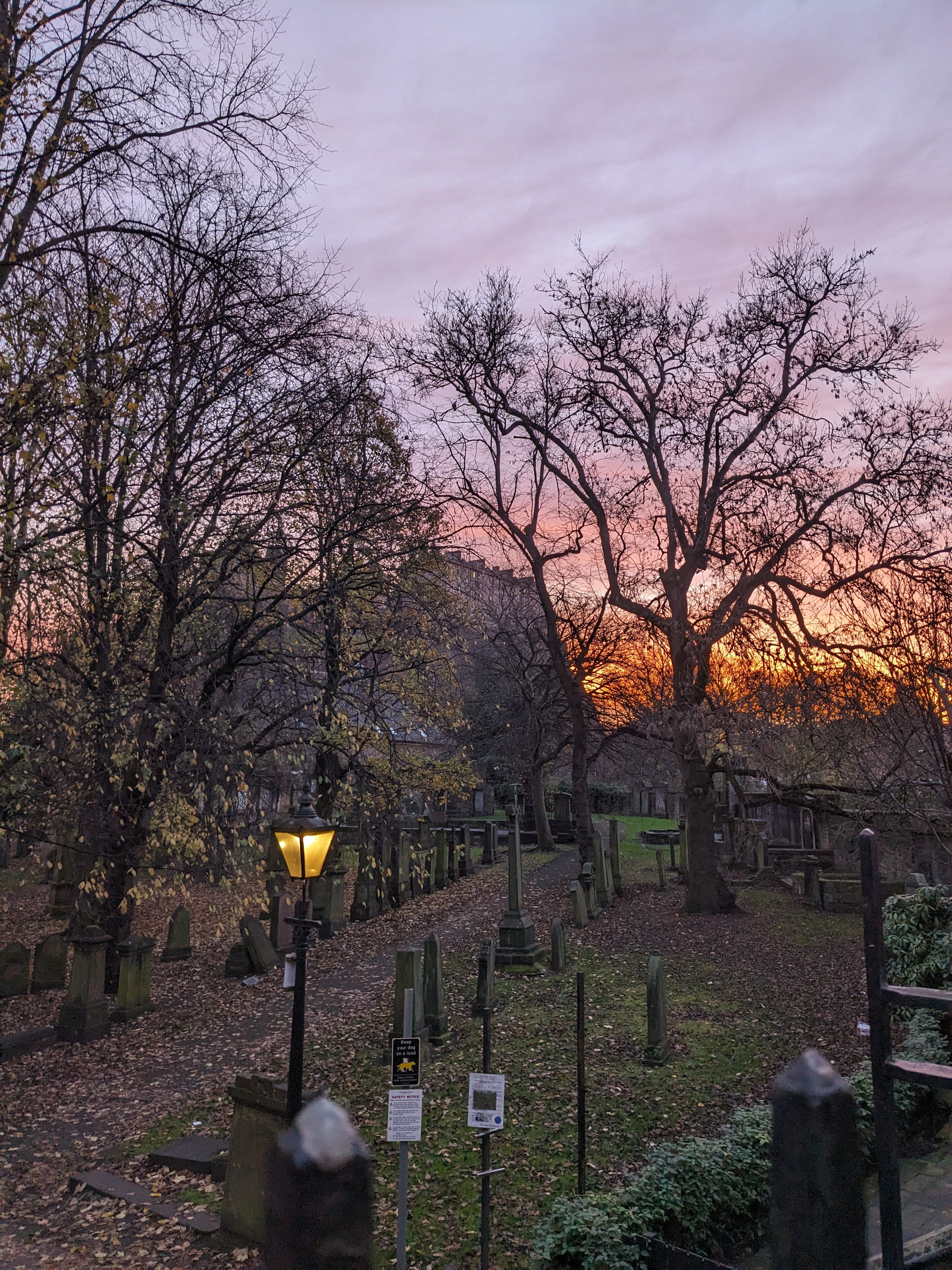
When looking up timings of sunrise and sunset on these short winter days, I learned a bit about twilight - the span of time when the sun isn’t visible over the horizon but still cast some light.
Twilight is split into two periods, the period before sunrise (dawn) and after sunset (dusk). That all probably sounds familiar, but did you know that twilight is then split into three stages, depending on the sun’s angle below the horizon?
The first is civil twilight, when the sun is just below the horizon. This is when we get the most colour, and when street lamps are often set to turn on and off.
The second is nautical twilight, when we begin to see the stars but the horizon is still visible. I think it earns its name because it was historically a helpful time for navigation.
Last we reach astronomical twilight, where it is possible to see the brightest astronomical entities, before the night time allows us to see the rest.
My camera roll is surprisingly sparse on photos of nature - mostly because I’m accompanied by a newborn, who is less keen on pausing for pictures and bird watching. Here are a couple of things I’ve noticed:
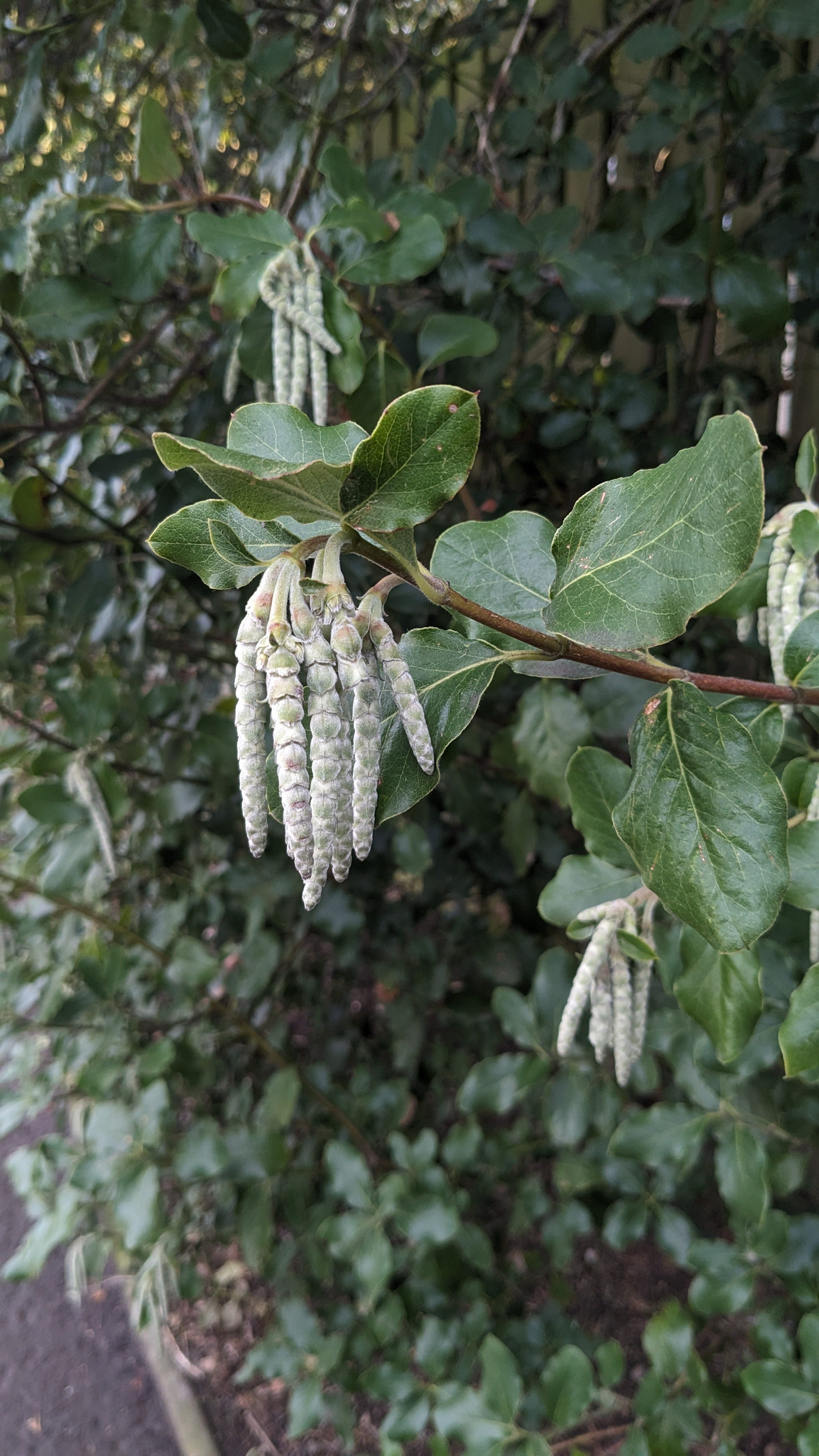
Catkins
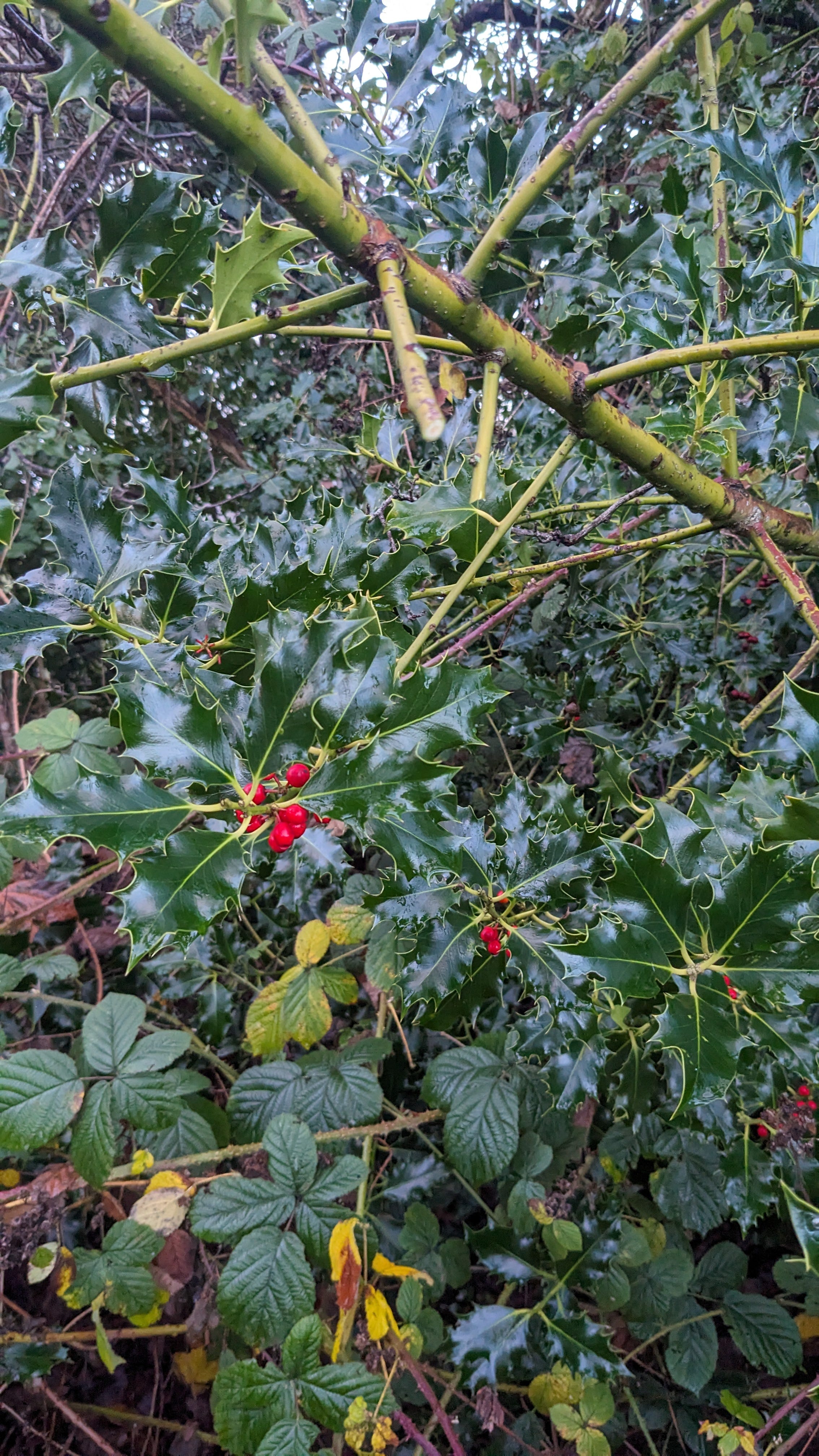
Foraging for Festive Greenery
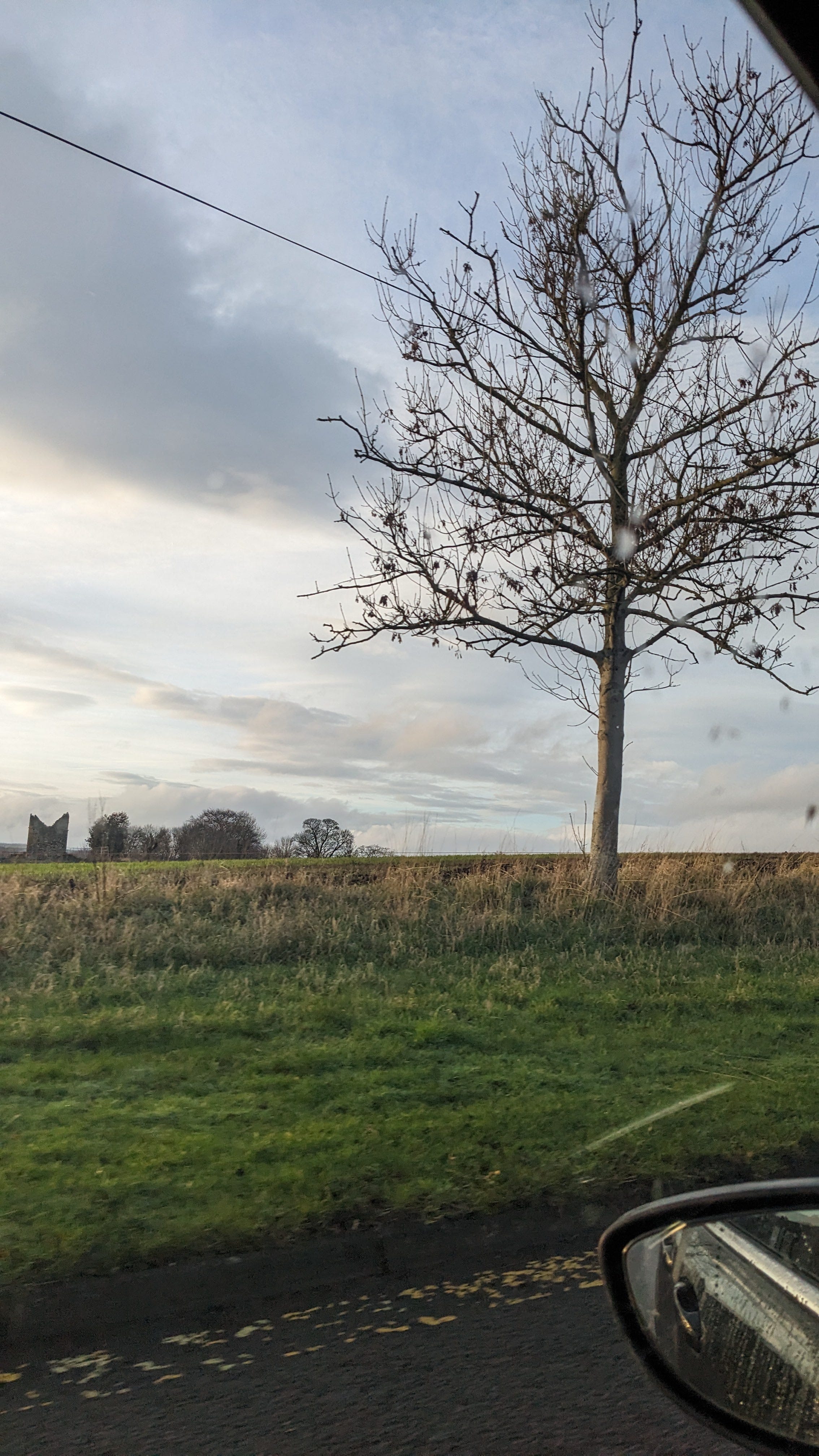
Colourful, clear Skies
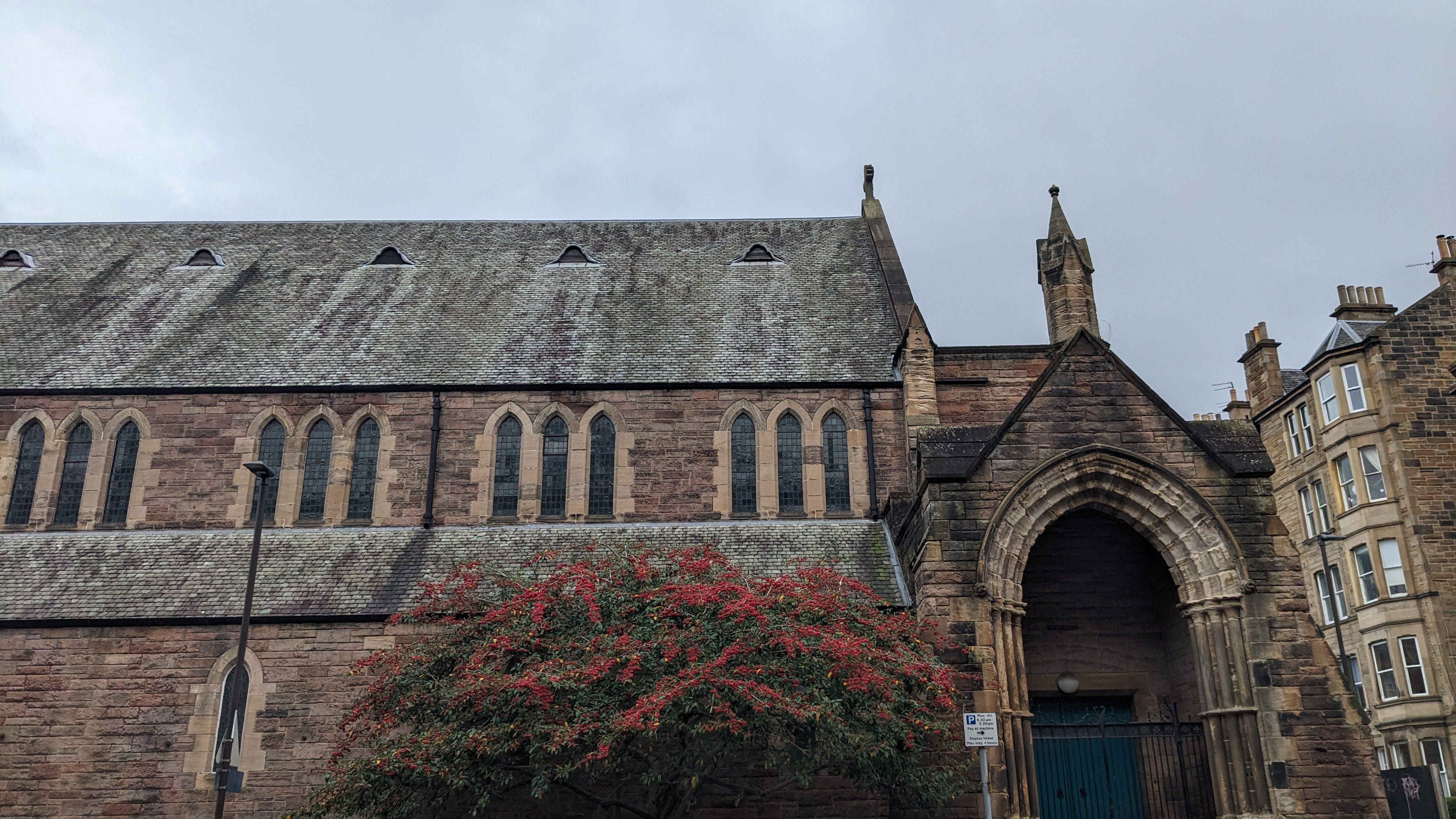
Cotoneaster berries
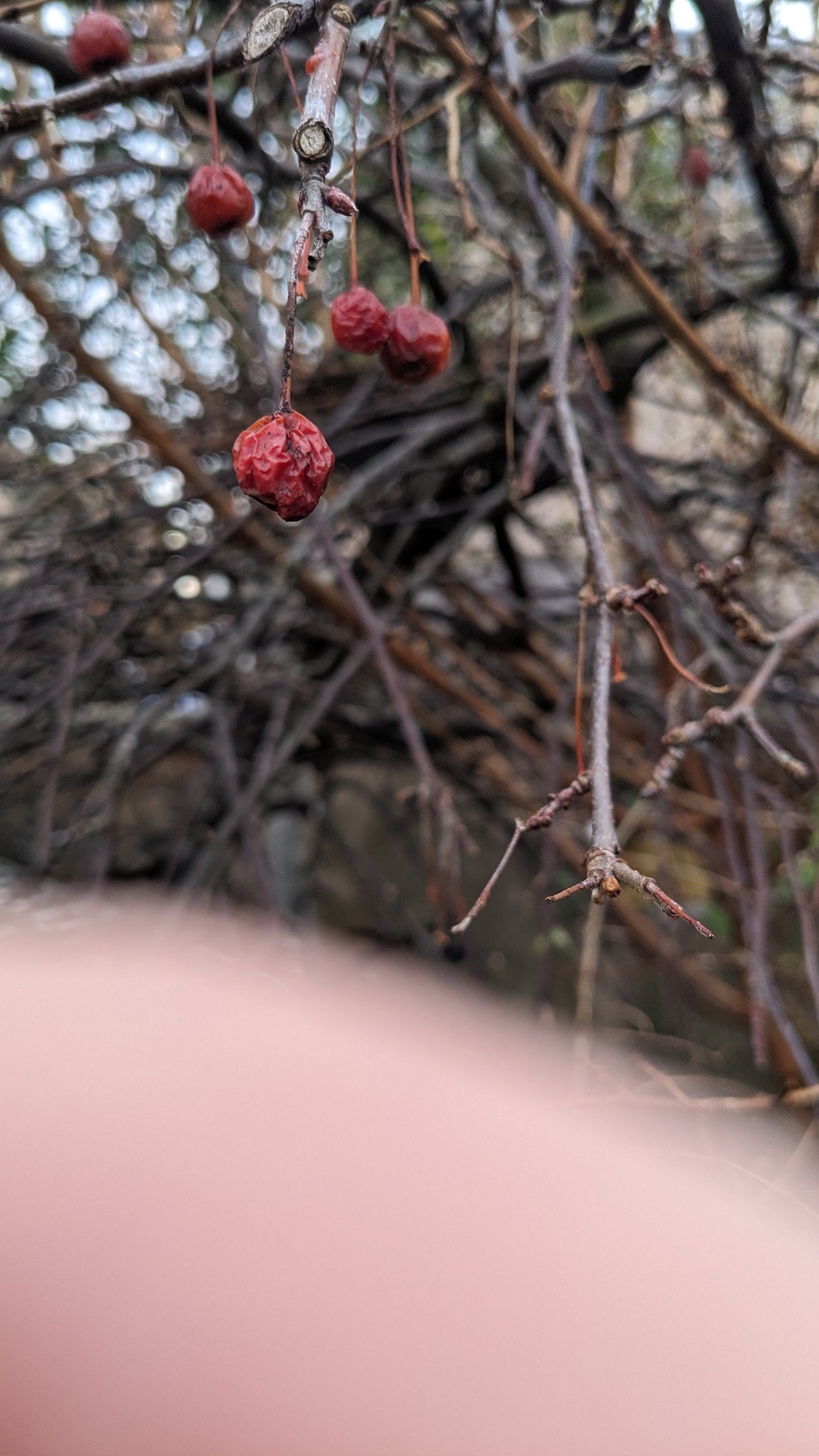
Blackbirds in the Crab Apples (a terribly rushed photo)
In our home, we’re celebrating the solstice, Christmas season, and New Years with a quieter, cozier pace. I’d like to send out another winter newsletter soon with a couple of creative goals I have for the new year, so do stay tuned!