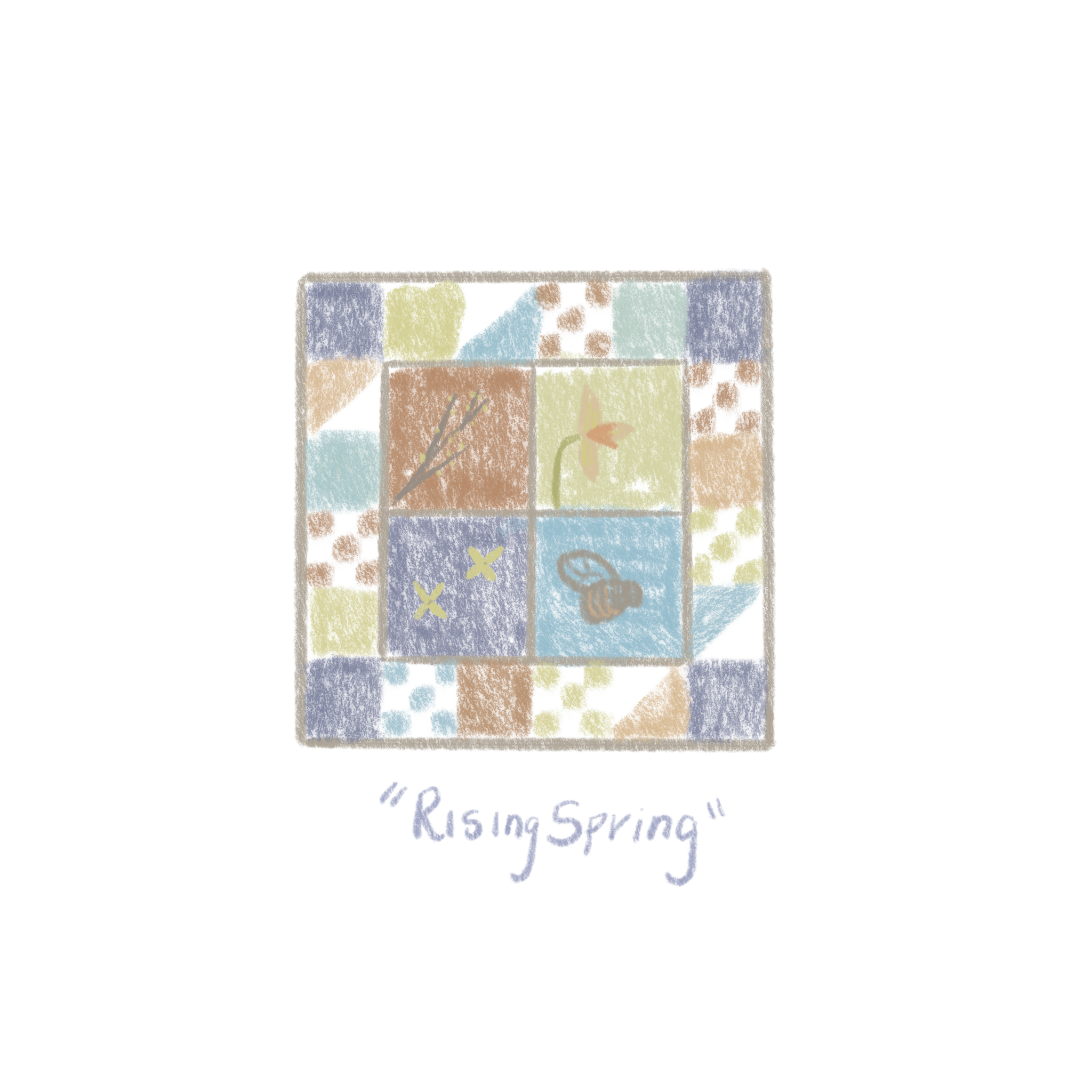
Hello, and thanks for reading my newsletter on the things I’ve noticed, enjoyed, and spent time drawing lately, according to the seasons.
I had such a wonderful time this weekend at my most recent market, hosted by Craft&Flea at the Assembly Rooms. Thanks to everyone who came out to the event and visited the stall - especially welcome to those lovely folks who signed up for this newsletter! I’m really glad you’re here.
I send these letters out every fortnight (every three microseasons, if you want to get technical), with about six newsletters a season. You’re reading the third installment of Spring - I call this ‘Rising Spring’, or the Japanese season Keichitsu - ‘Insects Awaken’. If you’re just joining, here’s where you you can catch up on First Spring and Early Spring.

It is fitting that here, at the equinox, nature seems to boast its brightest, warmest colours. The past few days have been unusually and blissfully clear - a relative rarity in Edinburgh - the sunshine has brought be so much joy, if only appreciated from my work desk.
The yellow crocuses have just about left us, but the daffodils are still there, keeping up the theme. You might also catch some bright colours coming from the shrubs and trees; dogwood and forsythia are in bloom, too.
In just a few weeks, the delicate pink cherry blossoms with dominate our view, but for now, the colour of the season is yellow.

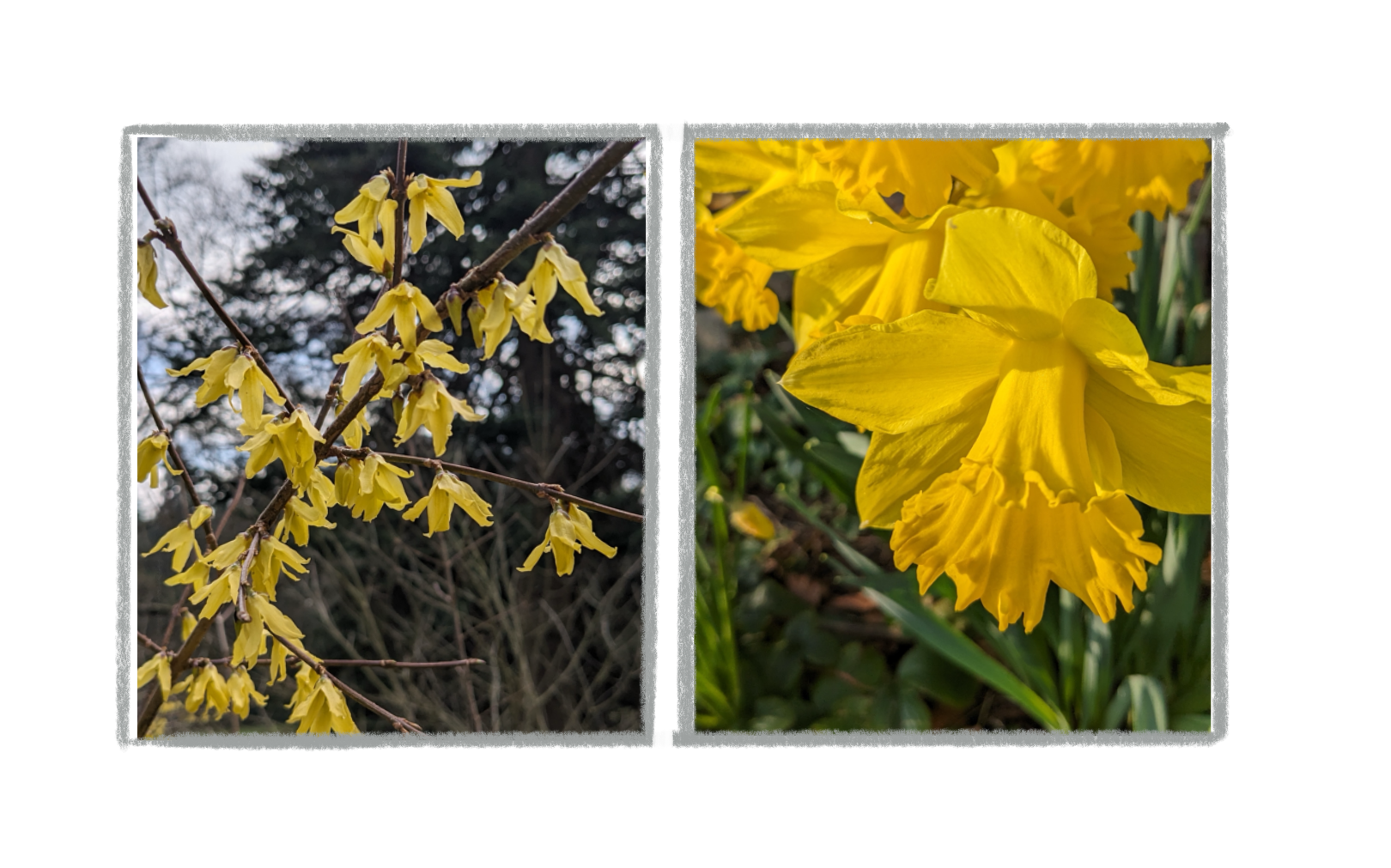
It’s hard not to pick the daffodil, which is in full bloom here in Edinburgh and currently occupies my vases at home. But, to keep things interesting, I thought I’d choose another, humbler yellow flower that also marks the turn of the spring: that is the Lesser Celandine (ficaria verna).
Despite the name, it bares no relation to the Greater Celandine (chelidonium majus); while that is part of the poppy family, the Lesser Celandine is a part of the buttercup family. The Leer Celandine has often been associated with the coming of warmer days; it appears in C.S. Lewis’ The Lion, the Witch and the Wardrobe; when the forest turns to spring after its long winter, the floor becomes covered in Celandines.
Interestingly, the name ‘Celandine’ comes from the Latin word for swallow, perhaps because they were traditionally associated with swallows returning to the UK. This doesn’t really hold up these days - we’ve still got a month or so before we’ll see an swallows.
Honourable Mention: Another burst of yellow comes from the Forsythia shrub, apparently named after a Scottish botanist, William Forsyth.

I rather excitingly saw my first bumblebee a couple of week’s back at the Botanic Gardens, which inspired a conversation with a friend about what happens to bees in the wintertime. Here’s what I’ve found out: For bumblebees, only the queen survives the winter by hibernating undergrounds. So, the first signs we see of bumblebees are often of the emerging queen, thirsty for pollen and in search of a new home. The early crocuses and catkins are often important sources of pollen for bees at this time.
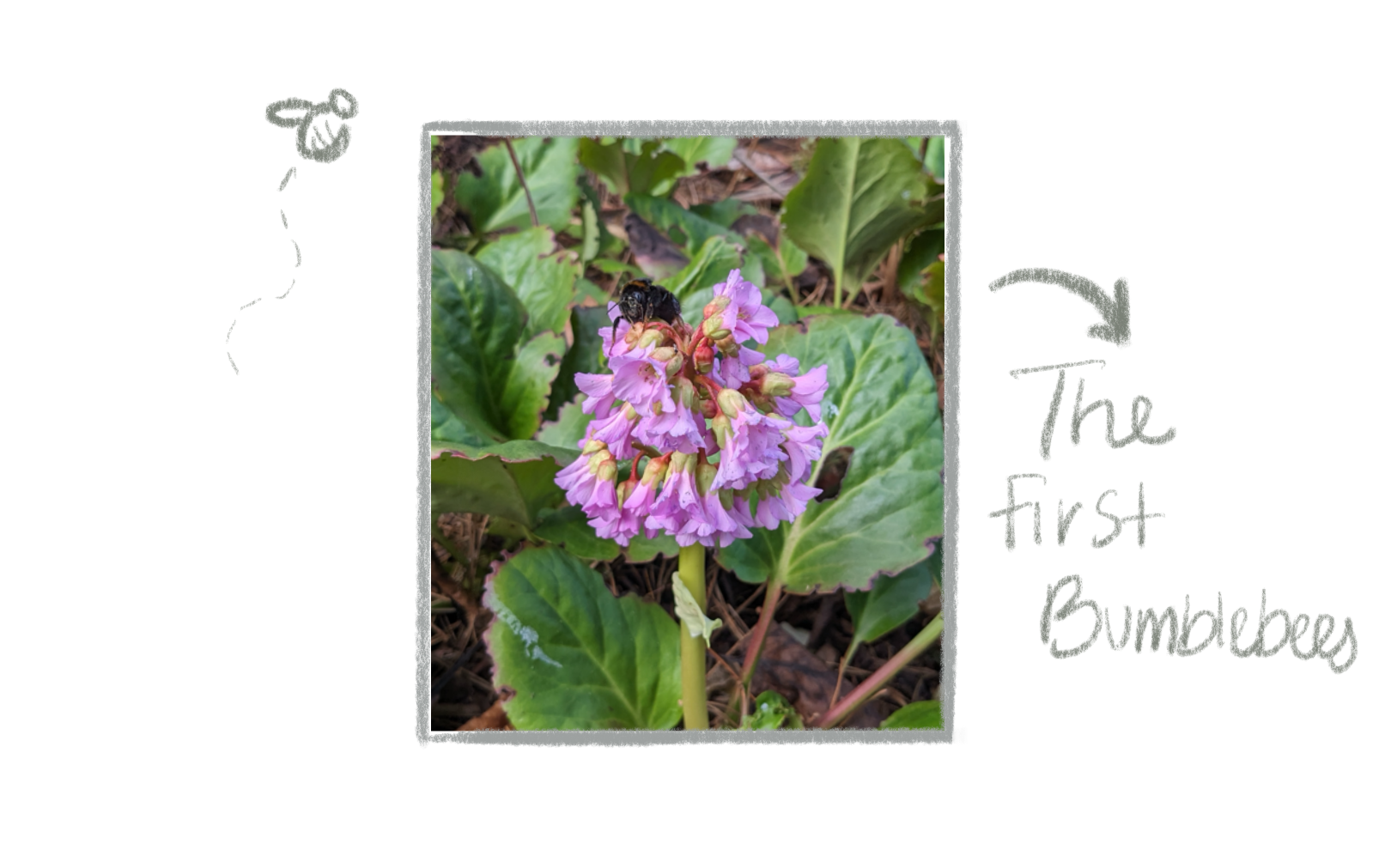
I learned that there are over 24 species of bumblebee - you’re most likely to see the white-tailed bumblebee (bombus locorum), however the Bilberry or ‘Mountaineering’ Bumblebee (bombus monticola) is a very important pollinator for our highland shrubs.
Honourable Mention: We’ve likely bid farewell to our redwings (She writes, before seeing a flock of them in the park this morning!) and now await the chiffchaffs. However, I’ve been catching an early blackcap on my Merlin app recently. I’ve always thought of these as summer visitors here, beginning to arrive in April, however there are a small number of blackcaps, who are known to winter in the UK from their homes in Central Europe. It’s unclear to me whether this blackcap is an early arrival or a departing winterer, but it is here nonetheless.

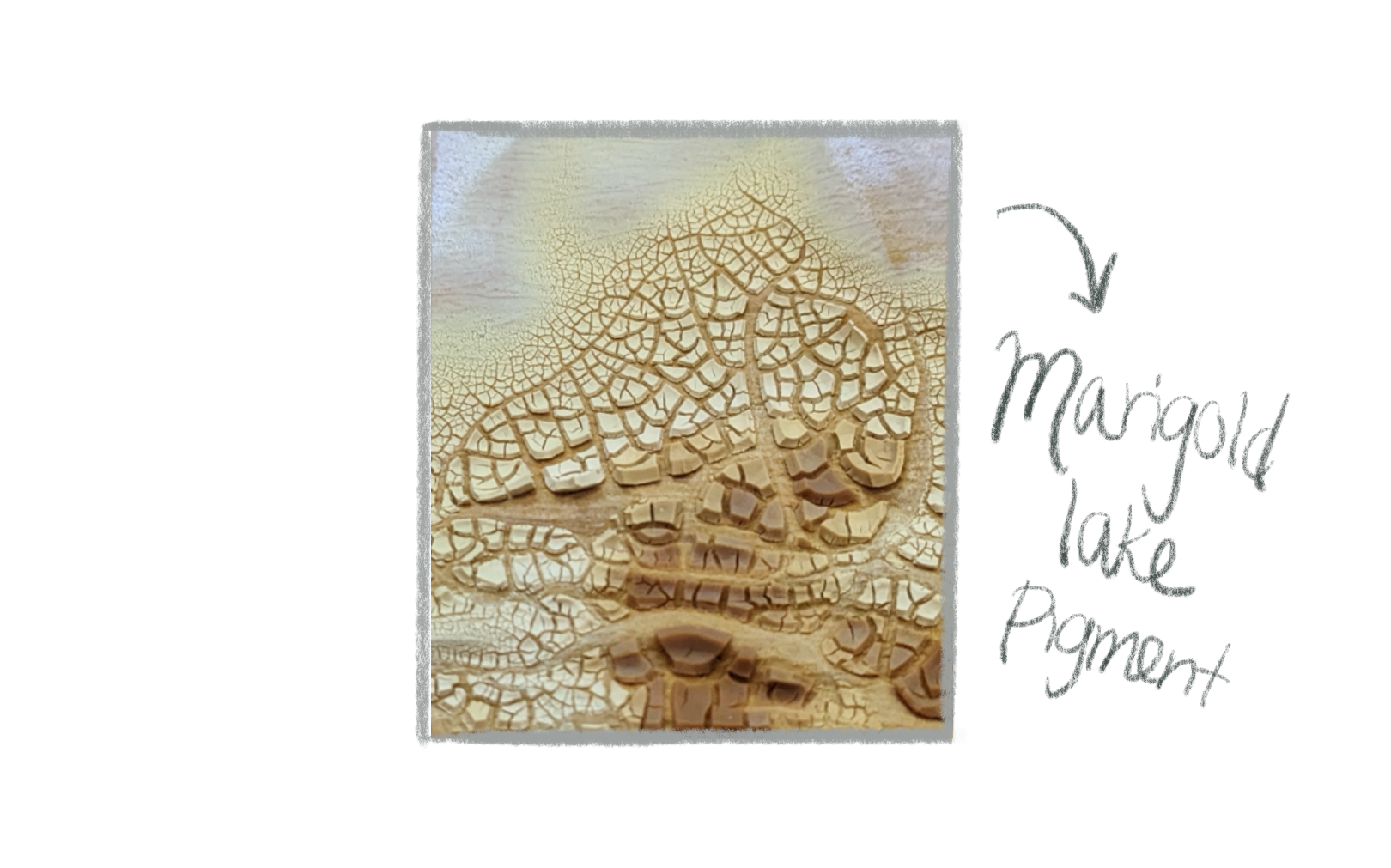
Lately, I have been collecting a wide variety of yellow pigments - both homemade and purchased, natural and synthetic. I plan to do a bit of a deep dive into sharing and comparing different yellow pigments as a sort of bonus Substack issue, maybe with some time-lapsed paint mulling, so stay tuned!
In lieu of a longer pigment update, I thought I’d share some ideas I’ve been running through for next years’ calendar and give you a chance to help me out - I know it’s early!
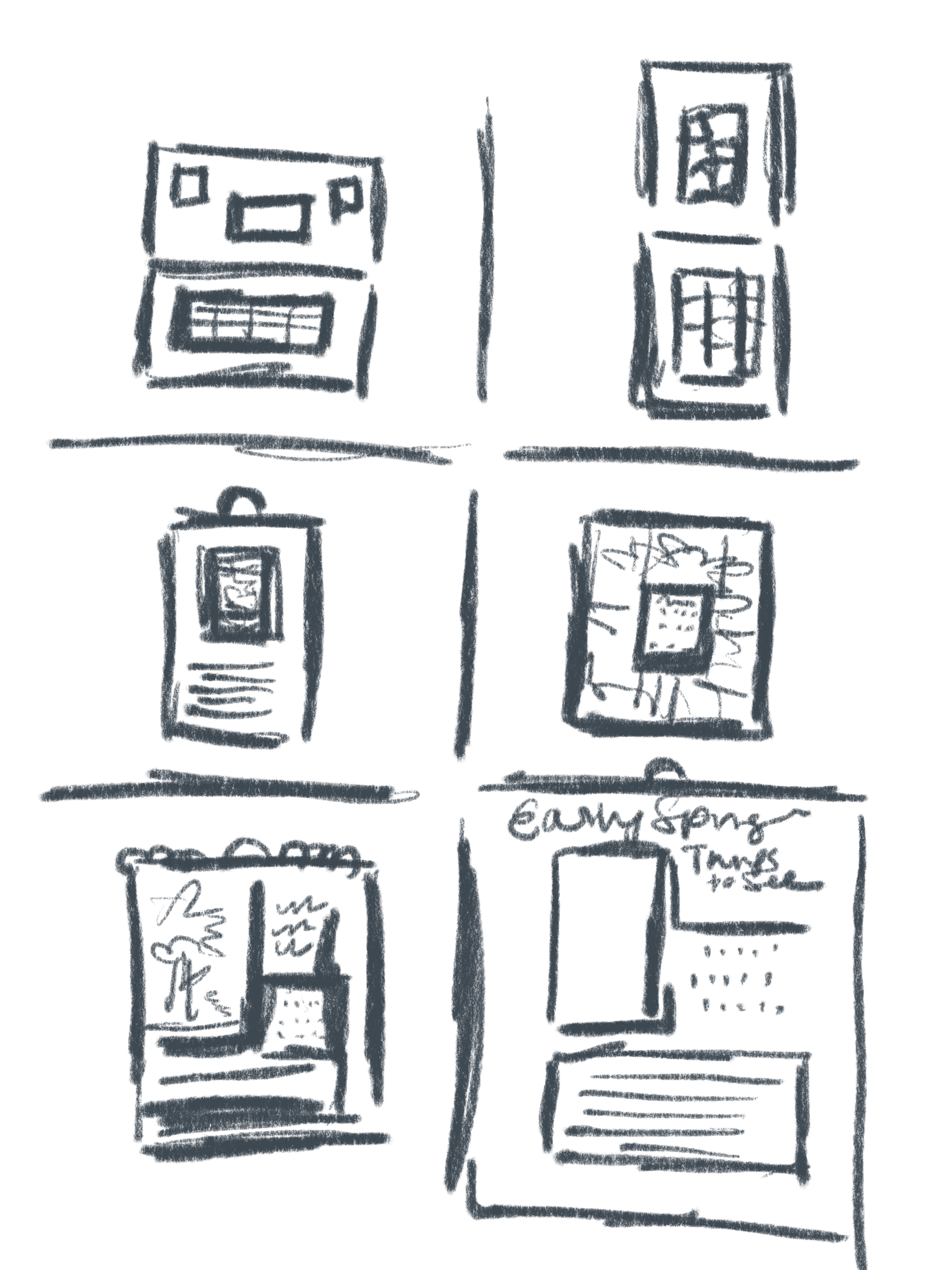
I’ve been making up some mock designs for next years’ calendar and feel a bit stuck. This years’ calendar was a bit of an experiment - I organised it around microseasons, with 24 pages total and a slightly different page setup (5 day rows, rather than 7).
I was really pleased with creating something new and different, but some feedback from the markets was that it was a bit too different from the standard monthly, 7-day week calendar. It would be great to hear what you think, using the poll below!
Until next Microseason,